
Technology · Mercado Libre
27-inch monitor
More screen space for code, documents, and multitasking.
See price on Mercado LivreView product: 27-inch monitor (Mercado Libre)Price and availability can change on Mercado Livre.
Read a token header and payload without verifying its signature.
Read a token header and payload without verifying its signature. Simple tools do not require an account. Files are sent to a server only when the tool explains the transfer and you confirm it.
Do not use decoded claims to authorize actions; verify the signature with the correct key.
This decoder reads the header and payload of a three-part JWT. It does not verify the signature or accept a token as proof of identity.
The header describes the token format and algorithm. The payload contains claims such as sub (subject), iss (issuer), aud (audience), and exp (expiry). Anyone holding a token can read these values when the payload is merely encoded.
exp is a Unix timestamp in seconds. Decoding a future expiry date does not establish authenticity: a modified payload can still decode successfully. A server must verify the signature with a trusted key and validate the expected issuer, audience, expiry and allowed algorithms.
Use a synthetic token while debugging. Even though decoding happens locally, real bearer tokens can expose account access if copied into screenshots, browser extensions or shared logs. Encrypted five-part JWE tokens are outside this decoder’s scope.
No. The readable payload is not proof of authenticity; a trusted server must verify the signature and claims.
Some links on this page are affiliate links. We may earn a commission from a purchase at no extra cost to you.
Technology · Mercado Libre
More screen space for code, documents, and multitasking.
See price on Mercado LivreView product: 27-inch monitor (Mercado Libre)Price and availability can change on Mercado Livre.
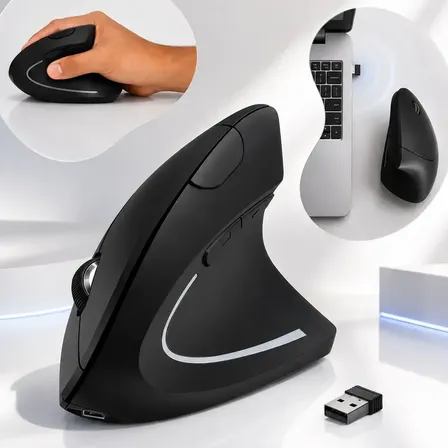
Technology · Mercado Libre
Compare size, adjustment, and fit with your hand and routine.
See price on Mercado LivreView product: Ergonomic vertical mouse (Mercado Libre)Price and availability can change on Mercado Livre.
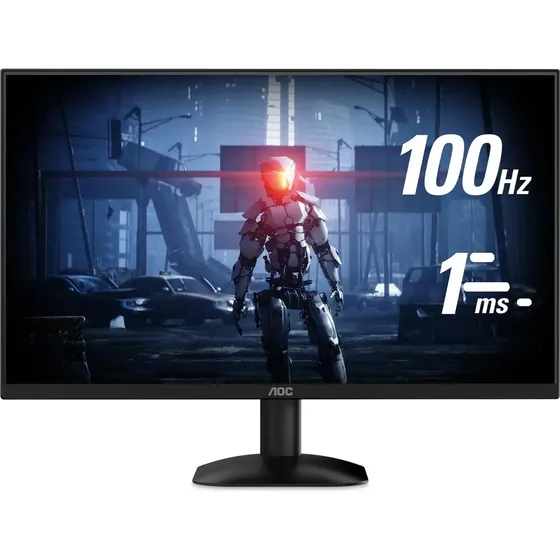
Technology · Mercado Libre
An option for a workspace. Compare dimensions, adjustments, and fit for your routine.
See price on Mercado LivreView product: AOC 24-inch 100 Hz monitor (Mercado Libre)Price and availability can change on Mercado Livre.