How it works
We use a 240 ml cup, a 15 ml tablespoon, and a 5 ml teaspoon. Gram conversions use the approximate density listed for each ingredient.
Convert cups, spoons, milliliters, and liters. Choose an ingredient to convert volume to grams.
Stored only in this browser. You can restore or clear it at any time.
No saved calculations yet.
A worked example
Here, one cup means 240 ml. With an approximate flour density of 0.53 g/ml, the result is 240 × 0.53 = 127.2 g. King Arthur Baking’s chart uses 120 g per cup of all-purpose flour: a different measuring reference, not automatically interchangeable with this estimate.
Packing, moisture, sifting and flour type change mass per volume. If a recipe supplies grams, weigh that amount rather than substituting an estimate. For liquids, also check whether the recipe uses a 240 or 250 ml cup.
Further reference: King Arthur Baking — Ingredient Weight Chart
We use a 240 ml cup, a 15 ml tablespoon, and a 5 ml teaspoon. Gram conversions use the approximate density listed for each ingredient.
Density varies with brand, grind, packing, and temperature. Use a kitchen scale for precision; gram results are approximate and rounded.
Only the listed ingredients are supported, using approximate densities. Other ingredients have different densities.
This tool uses 240 ml. Recipes and kitchenware may use different measures, so check the recipe.
Some links on this page are affiliate links. We may earn a commission from a purchase at no extra cost to you.
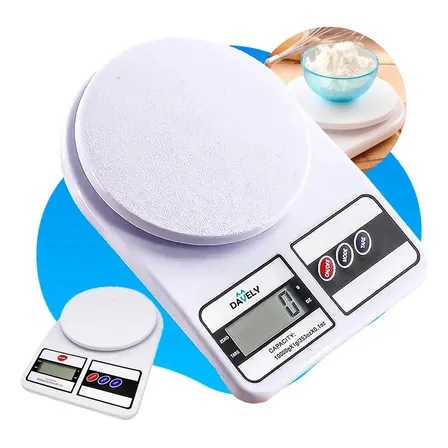
Kitchen · Mercado Libre
Helps measure ingredients more consistently than volume conversions.
See price on Mercado LivreView product: Digital kitchen scale (Mercado Libre)Price and availability can change on Mercado Livre.
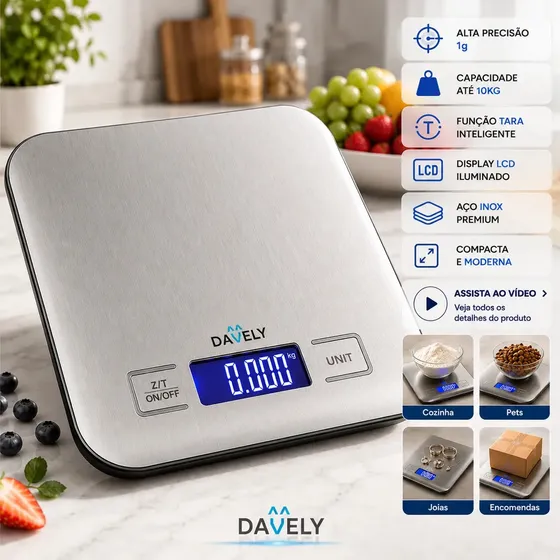
Kitchen · Mercado Libre
For food preparation and measuring ingredients. Check materials, dimensions, and usage instructions.
See price on Mercado LivreView product: Davely 10 kg touch digital kitchen scale (Mercado Libre)Price and availability can change on Mercado Livre.
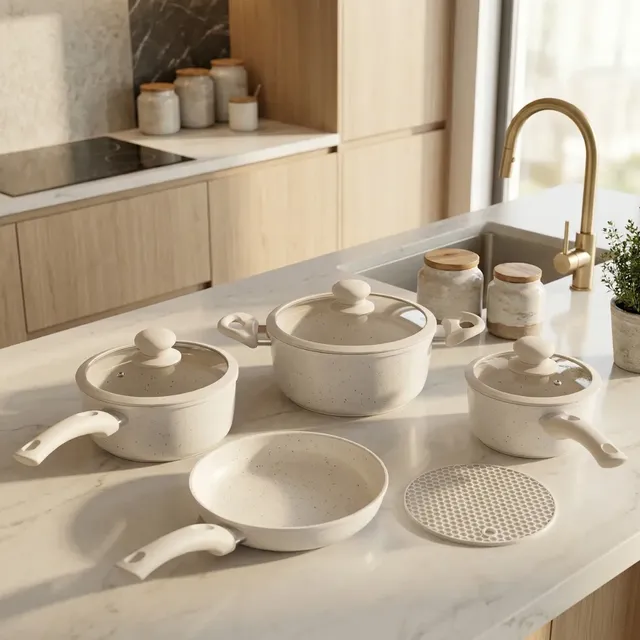
Kitchen · Mercado Libre
Non-stick cookware set; check compatibility with your stove.
See price on Mercado LivreView product: 5-piece ceramic cookware set (Mercado Libre)Price and availability can change on Mercado Livre.